
Battery Advancements Are Reshaping the Future of Medical Devices

31 Aug 2026
How Manufacturers are Using Smarter Battery Strategies to Improve Safety, Reliability, Portability, and Device Performance
Battery technology is quietly becoming one of the biggest drivers of innovation in the medical device industry. As devices become smaller, more connected, and increasingly portable, manufacturers are relying on advanced battery systems to support everything from wearable health monitors and home healthcare equipment to powered mobility devices and implantable technologies.
But unlike consumer electronics, medical devices operate in environments where reliability is critical and failures are far less tolerable.
A dead smartphone battery may be inconvenient. A failed battery in a wearable cardiac monitor, infusion pump, or powered wheelchair could create much more serious consequences.
That reality is pushing medical device manufacturers to rethink how batteries are selected, integrated, tested, and monitored throughout the product lifecycle.
The Growing Demands on Medical Device Batteries
Modern medical devices are expected to do more while becoming lighter, smaller, and easier to use. Patients increasingly want portable products that fit naturally into daily life, while healthcare providers expect long operating times, dependable performance, and minimal maintenance.
At the center of all of that is the battery. Medical batteries differ significantly from the batteries commonly found in traditional consumer products. Consumer devices are often designed around shorter product cycles and expected replacement timelines. Medical devices, however, require long-term durability, stable performance, and far tighter operational controls.
That creates a very different engineering challenge.
Manufacturers are not simply looking for a battery that works. They need batteries capable of maintaining reliable capacity over extended periods while operating safely within tightly controlled voltage, current, and temperature ranges.
As devices continue shifting toward wearable and home healthcare applications, those requirements become even more important.
Device-Integrated Batteries Are Becoming the Standard
One of the biggest shifts in recent years has been the move toward device-integrated battery designs.
Rather than using removable battery packs, many modern medical devices now integrate lithium-ion cells directly into the product itself. Similar approaches are already common in smartphones, tablets, and laptops, where batteries are soldered directly onto internal circuit boards and managed through integrated protection circuitry.
For medical manufacturers, this approach offers several advantages.
Integrated batteries help reduce device size and weight, which is especially important for wearable devices and portable healthcare technologies. They also allow engineers to better optimize charging systems, safety controls, and overall device performance.
At the same time, integrated designs create new engineering responsibilities.
Because the battery and device are now more tightly connected, manufacturers must carefully evaluate the interaction between the battery cells, battery management systems, protection circuits, software controls, and overall product design. The safety strategy can no longer focus on the battery alone. It must account for the entire system.
Why Battery Quality and Cell Matching Matter
As battery systems become more sophisticated, manufacturing quality control is becoming ever more important.
One area receiving more attention is “cell matching,” which refers to ensuring that individual lithium-ion cells within a battery pack have closely aligned electrical characteristics and capacities.
If cells degrade unevenly over time, overall battery performance can decline more rapidly. In some cases, weaker cells may limit the usable capacity of the entire battery pack.
For medical devices, that inconsistency can create unacceptable performance risks.
Manufacturers are increasingly implementing tighter screening procedures and qualification requirements to ensure cells are properly matched before assembly. Battery suppliers may grade cells based on performance characteristics, while device manufacturers often perform additional resistance and capacity verification during incoming inspection and production processes.
These controls help improve long-term reliability while reducing the likelihood of premature battery degradation.
Risk Management Is Driving Smarter Battery Design
Battery compliance standards such as IEC 62133-2 continue to provide important foundational safety requirements for lithium-ion battery systems. However, technology is evolving faster than standards alone can address.
That is why risk management is playing an increasingly important role in battery evaluation for medical devices. Manufacturers are now expected to evaluate battery-related risks as part of broader product risk management activities, including reliability concerns, charging behavior, thermal performance, environmental exposure, and functional safety considerations.
This becomes especially critical in wearable and body-contact devices.
Battery safety is no longer just about preventing catastrophic failure. It is also about maintaining safe operating temperatures, supporting long-term performance, preventing moisture ingress, and ensuring reliable operation throughout the intended lifespan of the product.
For larger battery-powered medical systems such as powered wheelchairs and mobility devices, functional safety principles are becoming increasingly important as well. These systems must continue operating safely even in challenging conditions, including electromagnetic interference or unexpected operational events.
In these situations, manufacturers must evaluate not only the robustness of the battery cells themselves, but also the reliability of the safety circuitry and embedded software controlling the battery system.
Emerging Battery Technologies Are Changing the Industry
Looking ahead, battery innovation is expected to accelerate even further.
One area attracting significant attention is solid-state battery technology. These next-generation battery chemistries are designed to improve safety, energy density, and long-term reliability while reducing some of the flammability concerns associated with traditional lithium-ion systems.
While solid-state batteries are still evolving commercially, the medical device industry may adopt them earlier than some consumer sectors due to the higher emphasis on safety and performance.
Transportation and logistics are also becoming a larger part of the battery conversation. Medical batteries often face strict transportation regulations, especially for air shipment, because lithium-ion batteries can present fire risks under certain conditions. At the same time, many medical devices need to arrive fully charged and immediately operational.
As a result, manufacturers and regulators are exploring new transportation methods, containment technologies, and battery protection strategies that can improve both safety and accessibility.
The Future of Medical Devices Depends on Better Batteries
As healthcare technology continues becoming more portable, connected, and patient-focused, batteries will remain one of the most important enabling technologies behind medical innovation.
From wearable monitoring systems and implantable technologies to home healthcare devices and powered mobility products, battery performance is directly tied to patient safety, usability, and product reliability.
For manufacturers, success will increasingly depend on taking a comprehensive approach that combines battery quality, intelligent safety design, functional safety principles, risk management, and rigorous testing strategies.
The future of medical technology may look smaller and more mobile than ever before, but behind many of those advancements will be increasingly sophisticated battery systems helping power the next generation of healthcare innovation.

You may be interested in...
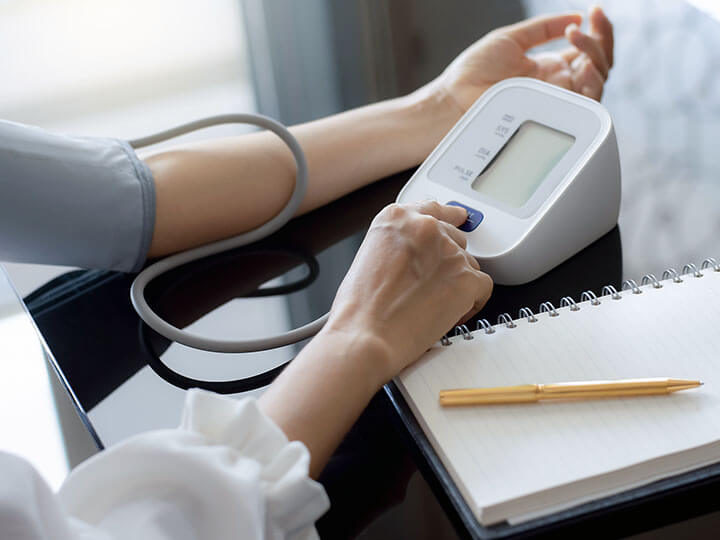
Battery Safety Testing for Medical Devices
Critical Battery Safety Testing to the Requirements of IEC 62133 for Medical Devices throughout global markets with over 50 years of experience.

Medical Podcast - Compliance with Clarissa
Tune in to watch "MEDICAL COMPLIANCE WITH CLARISSA" now available on YouTube