
Understanding SAE J3072, UL 9741 and UL 1741 Supplement SC for Bidirectional EV Charging – Part 1
30 Oct 2026
How Vehicle-to-Grid Technologies Are Changing EV and EVSE Testing
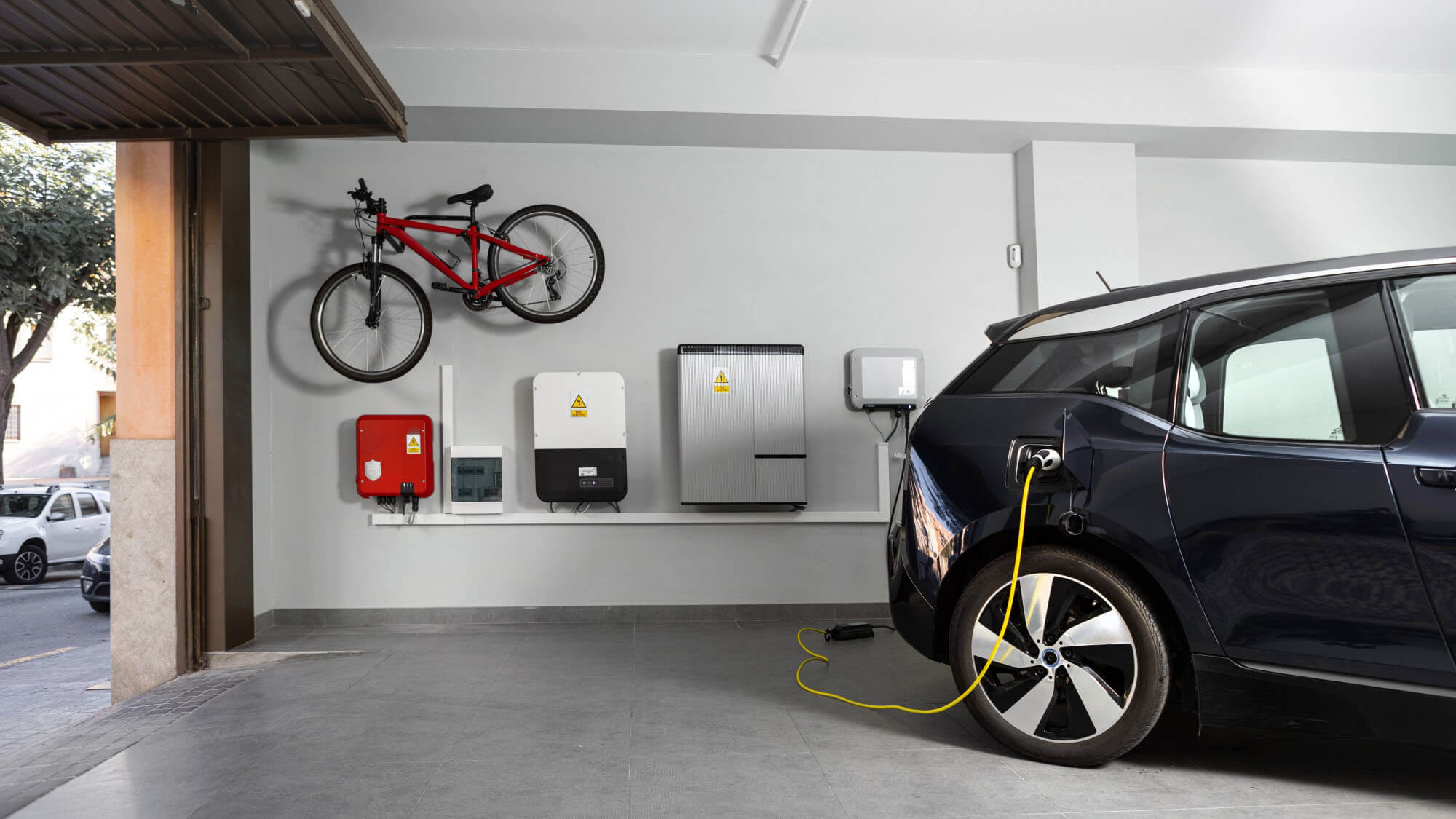
Electric vehicles are more than a load on the electrical grid. With bidirectional charging, energy stored in an EV battery can also be used to power a home or building, support other loads, or send electricity back to the grid.
That shift creates new possibilities for vehicle-to-grid (V2G) and other vehicle-to-everything (V2X) applications. It also creates new questions for EV and electric vehicle supply equipment (EVSE) manufacturers.
How does the vehicle communicate with the charging equipment? Where does the grid-interactive inverter sit? And which standards apply to the vehicle, the EVSE, and the connection to the grid?
SAE J3072, UL 9741, and UL 1741 Supplement SC each address a different part of that picture.
SAE J3072: Connecting the Vehicle's Onboard Inverter to the Grid
SAE J3072 addresses grid-support inverter functionality integrated into a plug-in electric vehicle.
Unlike traditional charging, where electricity generally moves from the grid to the vehicle, a vehicle equipped with a bidirectional onboard inverter can convert DC energy stored in the vehicle's battery into AC power that can be used outside the vehicle.
SAE J3072 establishes requirements for that onboard grid-support inverter function and defines communication between the plug-in electric vehicle and EVSE. This communication allows the onboard inverter to be properly configured and authorized by the EVSE before discharging energy at a site.
The current SAE J3072 requirements are intended to be used together with IEEE 1547 and IEEE 1547.1 requirements for interconnection with electric power systems.
This distinction is important from a certification standpoint. SAE J3072 applies to the EV's onboard inverter functionality; it should not be viewed as a product safety certification standard for the EVSE itself.
Instead, manufacturers need to consider how the vehicle's J3072 functionality works with the charging equipment and the requirements governing that equipment's safety and grid interaction.
UL 9741: Safety for Bidirectional Charging Equipment
Once power begins flowing out of the vehicle, the charging system has a different job to do.
UL 9741 addresses off-board equipment that can transfer electrical energy between an EV and off-board loads and operate in parallel with an electric power system, such as the utility grid.
This can include equipment supporting applications such as:
Vehicle-to-Grid (V2G) – exporting energy from the vehicle to the electric grid.
Vehicle-to-Home (V2H) – using the vehicle battery as an energy source for a residence.
Vehicle-to-Building (V2B) – providing power to commercial or other building loads.
Vehicle-to-Load (V2L) – supplying external electrical loads from the vehicle.
These applications introduce safety considerations that may not exist with conventional one-way charging. Manufacturers need to consider not only how energy gets into the vehicle, but also how the system behaves when energy flows in the opposite direction.
That can bring additional considerations around power conversion, electrical protection, abnormal conditions, backfeed and system controls.
UL 1741 Supplement SC: Adding Grid Interaction to the Picture
Safety is only one part of bidirectional charging.
When an EV is capable of exporting AC power and operating in parallel with the electric power system, the system must also address how it interacts with the grid.
UL 1741 Supplement SC provides requirements for AC bidirectional EVSE and interconnection systems equipment intended for use with electric vehicles incorporating SAE J3072 bidirectional onboard inverters.
This brings the EV and EVSE into the broader framework of grid interconnection requirements.
In practical terms, the vehicle's onboard inverter, EVSE and electric power system have to work together as a system. The EVSE serves an important role in allowing the vehicle's onboard inverter to connect to the site and, when applicable, interact with the electric grid.
How Do SAE J3072, UL 9741 and UL 1741 SC Work Together?
It can help to think about these requirements as addressing different pieces of the bidirectional charging system.
SAE J3072 focuses on the vehicle. It addresses the onboard grid-support inverter functionality and the communication between the vehicle and EVSE needed to configure and authorize discharge.
UL 9741 focuses on the safety of bidirectional charging equipment. It addresses off-board equipment capable of transferring energy between the EV and external loads or an electric power system.
UL 1741 Supplement SC focuses on grid-interactive functionality. It addresses AC bidirectional EVSE and interconnection equipment used with vehicles incorporating SAE J3072 bidirectional onboard inverters.
Together, these requirements help address a larger challenge: safely moving energy from an EV battery beyond the vehicle while supporting appropriate interaction with the electrical system and grid.
Does SAE J3072 Require Product Certification?
This is an important distinction for manufacturers.
SAE J3072 defines technical requirements for the onboard grid-support inverter system and its interaction with EVSE, but manufacturers should not automatically treat SAE J3072 as another product certification requirement alongside UL 9741 or UL 1741. SAE J3072 evaluation can be done by manufacturers or at a third-party lab.
Depending on the product and its intended functions, bidirectional charging equipment may be evaluated and certified to applicable UL requirements, including UL 9741 and UL 1741 Supplement SC.
Understanding this distinction early can help manufacturers determine which requirements apply to the vehicle, which apply to the EVSE, and which become important when the system connects to the electric grid.
Why Early Testing Matters
Bidirectional charging brings together technologies that have traditionally been evaluated somewhat separately: automotive systems, charging infrastructure, power conversion and grid interconnection.
That makes early planning increasingly important.
Waiting until the end of product development to address safety or grid-interconnection requirements can uncover issues involving system architecture, controls, protection functions or interoperability that are more difficult to address later.
Manufacturers developing V2G and V2X technologies should consider the intended energy flow, location of the inverter, EV-to-EVSE communication, grid-interactive functions and applicable certification requirements early in the design process.
Supporting the Next Generation of Bidirectional Charging
As EVs take on a larger role within the energy ecosystem, the line between vehicle, charging equipment and distributed energy resource continues to evolve.
Understanding where SAE J3072, UL 9741 and UL 1741 Supplement SC fit can help manufacturers build a clearer testing and certification strategy for bidirectional EV charging technologies.
Intertek supports EV, EVSE and power conversion equipment manufacturers with safety testing and certification, interoperability evaluations and grid code compliance services. Our experts can help manufacturers understand applicable requirements, evaluate bidirectional charging technologies and develop a testing strategy for emerging V2G and V2X applications.

You may be interested in...
Bidirectional EVSE Charging: Technical FAQs for V2L and V2X Systems
Download our technical FAQ on V2L and V2X technologies, including high power charging, UL 9741 standard compliance, interoperability, safety, cybersecurity and testing considerations
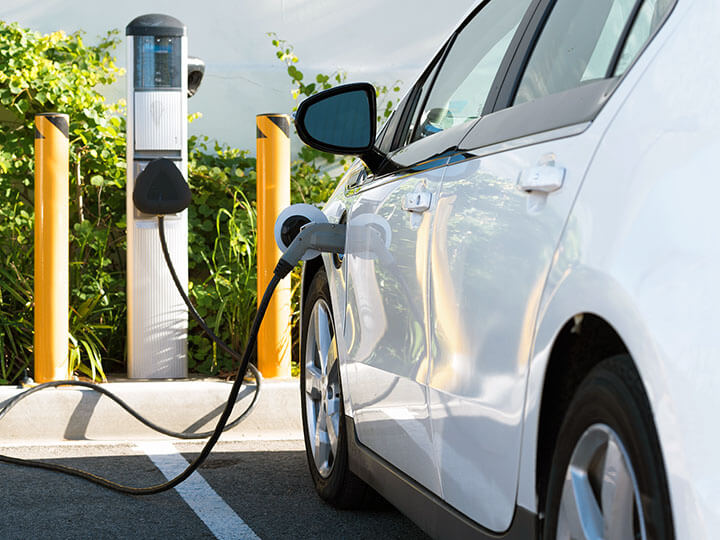
EVSE Testing & Certification
Intertek offers Electric Vehicle Supply Equipment (EVSE) Testing and Certification solutions validating electric vehicle charging systems and the safety of EV-related products.